What is Malocclusion?
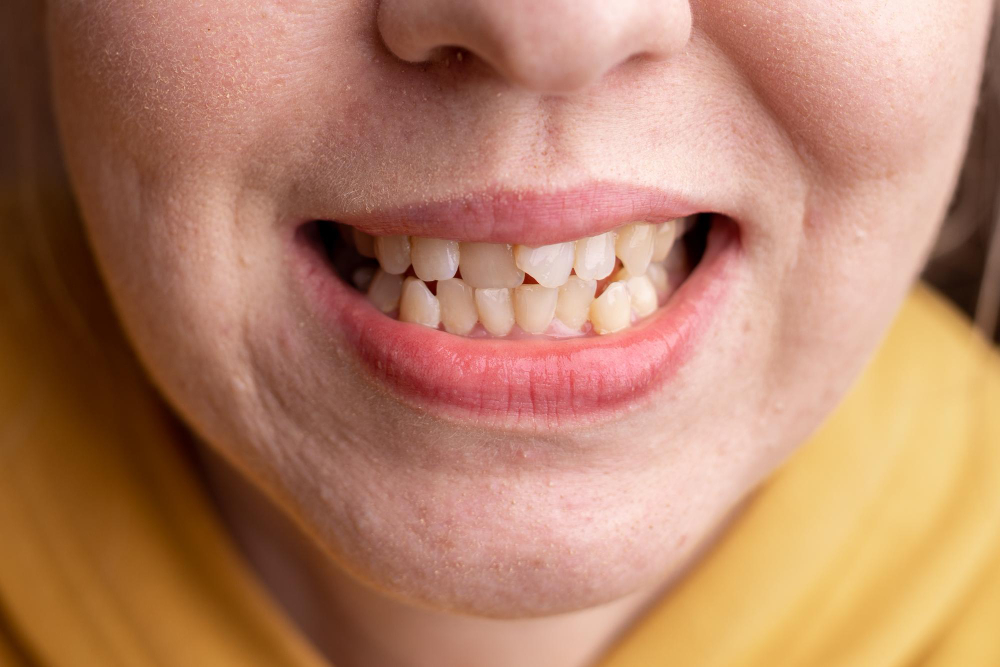
Malocclusion is a dental term for teeth that do not fit together properly. In other words, it means your teeth are misaligned when you bite down. This condition is also called dental misalignment or bite problems. While some people have only mild issues, others may need orthodontic treatment to straighten their teeth. Malocclusion can affect your smile, speech, and even how you chew food. Because it is common, many dentists see and treat malocclusion every day.
Common Causes of Malocclusion
There are several reasons why malocclusion can happen. Sometimes, it is due to genetics. Other times, habits or injuries can play a role. For example, early loss of baby teeth or thumb sucking can affect how teeth grow. Below are some common causes:
As you can see, both natural and environmental factors can lead to dental misalignment.
Signs and Symptoms
Malocclusion can show up in many ways. Some people notice their teeth look crooked. Others may feel discomfort when chewing. Here are some common signs and symptoms:
However, not everyone with malocclusion will have all these symptoms. Sometimes, the signs are mild and easy to miss.
How Malocclusion is Diagnosed
Dentists can spot malocclusion during a regular dental check-up. First, they will look at your teeth and jaw alignment. Next, they may ask about your dental history and habits. Often, dentists use X-rays to see how the teeth and jaw fit together. In some cases, they may take impressions or digital scans of your mouth. This helps them plan the best treatment for your bite problems. Early diagnosis can make treatment easier and more effective.
Treatment Options for Malocclusion
Treatment for malocclusion depends on how severe the problem is. For mild cases, no treatment may be needed. However, moderate or severe cases often require orthodontic treatment. Here are some common options:
Because every mouth is different, your dentist or orthodontist will suggest the best plan for you. According to the American Association of Orthodontists, early treatment can prevent bigger problems later.
Prevention and Oral Care Tips
While not all malocclusion can be prevented, good oral care can help. For example, caring for baby teeth and stopping bad habits early can make a difference. Here are some tips:
With these steps, you can lower your risk of dental misalignment and keep your smile healthy.
When to See a Dentist
If you notice crooked teeth, bite problems, or trouble chewing, it is time to see a dentist. Early visits can help catch malocclusion before it gets worse. Even if you have no pain, regular dental check-ups are important. Dentists can spot problems you may not see or feel. For children, the American Dental Association suggests a dental visit by age one. Early care can lead to better outcomes and easier treatment.
In summary, malocclusion is common and treatable. If you have concerns about your teeth or bite, consult a dentist at Paruchuri Dental Hospital for personalized advice on malocclusion and treatment options.