Introduction
Oral ulcers, also known as mouth sores, are common and can affect anyone. These small, painful spots can make eating and talking hard. Although most oral ulcers heal on their own, some need special care. In this blog, you will learn about oral ulcers, their causes, symptoms, diagnosis, treatment, and how to prevent mouth ulcers. Understanding these points can help you manage and avoid discomfort.
What Are Oral Ulcers?
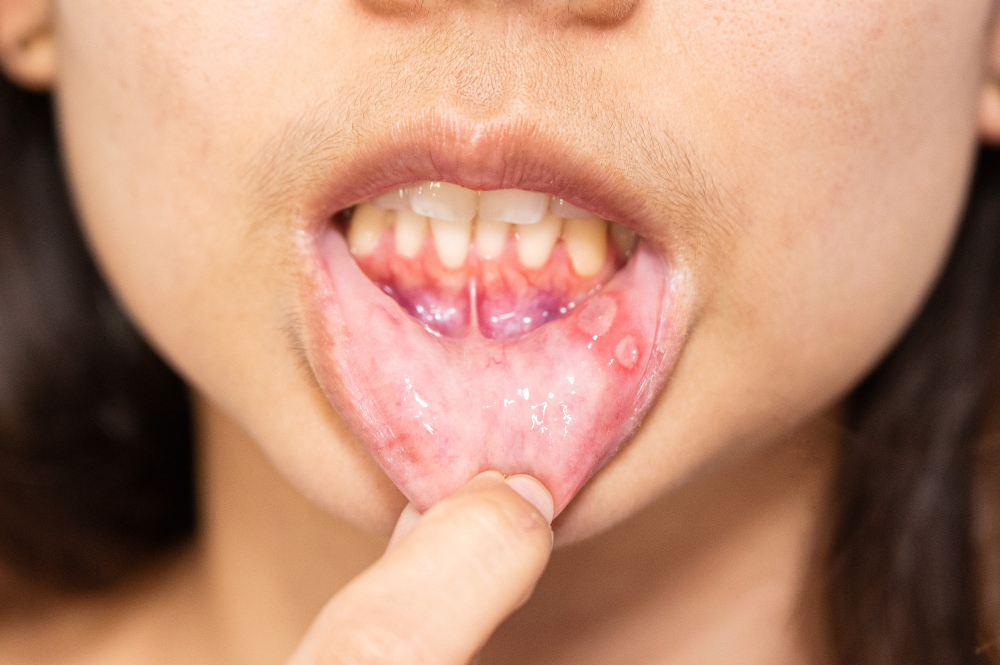
Oral ulcers are open sores that form inside the mouth. They often appear on the inner cheeks, lips, tongue, or gums. Usually, they are round or oval with a white or yellow center and a red border. While most ulcers are harmless, some may signal other health issues. For this reason, knowing about them is important.
Common Symptoms
Oral ulcers can cause several symptoms. Some are mild, but others may be more severe. Here are common signs to watch for:
Sometimes, you may also notice a fever or swollen glands. If symptoms last longer than two weeks, it is best to seek help.
Causes and Risk Factors
Many things can cause oral ulcers. Often, the exact reason is not clear. However, some common causes and risk factors include:
Additionally, some people may get ulcers more often due to family history. If you notice frequent mouth sores, it may be helpful to track possible triggers.
Diagnosis
Most oral ulcers are easy to spot during a dental exam. Your dentist will look at the sore and ask about your symptoms. Sometimes, they may ask about your diet, stress, or recent injuries. In rare cases, tests may be needed. For example, blood tests can check for vitamin deficiencies or infections. A biopsy, where a small tissue sample is taken, may be done if the ulcer does not heal or looks unusual. Early diagnosis helps rule out serious problems.
Treatment Options
Many oral ulcers heal without treatment in one to two weeks. Still, some steps can help speed up healing and reduce pain. Here are common oral ulcer treatment options:
For ulcers caused by infections, your dentist may recommend special medicines. Always follow your dentist’s advice for the best results.
Home Care and Lifestyle Tips
Simple home care can make a big difference. For example, you can:
Additionally, try to manage stress and get enough sleep. These steps can help your mouth heal faster and prevent new sores.
Prevention Strategies
Preventing oral ulcers is possible with a few healthy habits. Consider these tips on how to prevent mouth ulcers:
By following these steps, you can lower your risk of getting mouth sores.
When to See a Dentist
Most oral ulcers are not serious. However, you should see a dentist if:
Early care can help find and treat any underlying problems. Your dentist can also suggest the best oral ulcer treatment for your needs.
Conclusion
Oral ulcers are common and usually heal on their own. Still, they can be painful and bothersome. By knowing the causes, symptoms, and treatment options, you can manage mouth sores better. Remember, good oral care and healthy habits can help prevent ulcers. If you have concerns or your symptoms do not improve, consult a dentist at Paruchuri Dental Hospital for personalized advice on managing oral ulcers.